
Guatemala
Guatemala is an extraordinary and fascinating vacation destination only a few hours from the United States. There are UNESCO protected Mayan Temples and interesting archaeological sites, romantic colonial towns, 23 different Indian cultures and languages with exquisite arts and crafts, 33 volcanoes and lush rainforests full of exotic wildlife and birds.
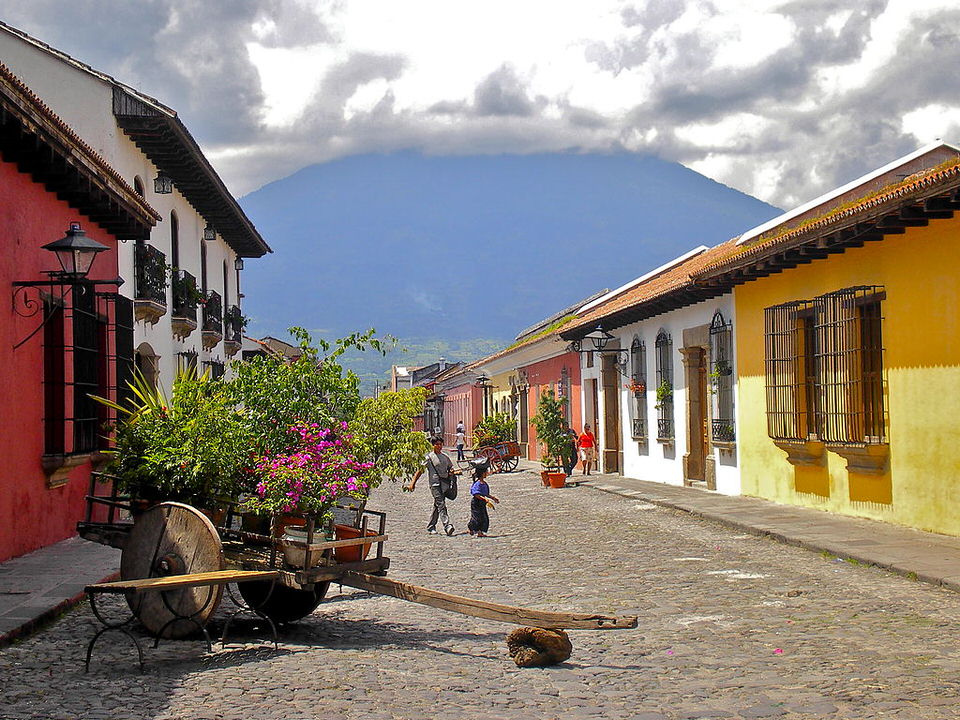
Guatemala also has unique luxury accommodations like private villas, jungle lodges and boutique hotels. La Antigua – an elegant and beautiful colonial town with cobblestone streets.
Searching for inspiration? Our Virtuoso, Guatemala Travel Advisors will make planning fun, save you lots of time, stress and mistakes. We do everything, air, car, hotel, transfers, etc. It helps us help you if you begin with our vacation planner and we’ll connect you to the appropriate travel advisor who not only knows your destination intimately, but will handle all the details, get you great airfare deals, car, transportation, tours–you name it.
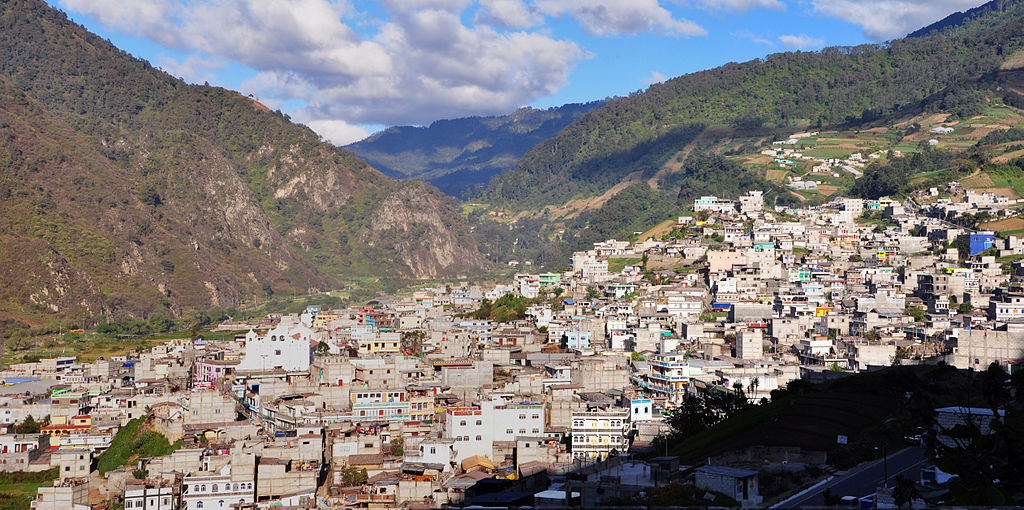
Lake Atitlan – a spectacular lake surrounded by three volcanoes and indigenous villages.
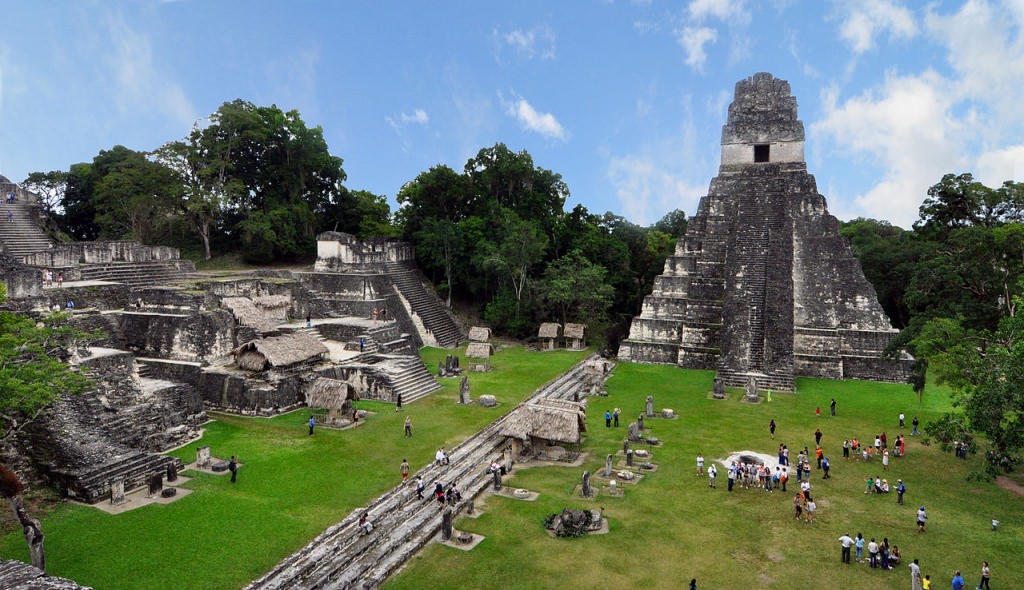
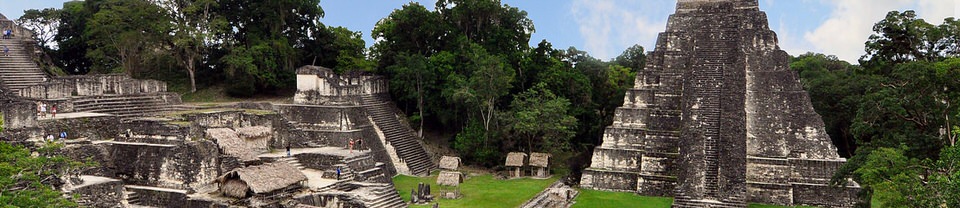
Tikal – a world famous Mayan Temple site in the middle of the rainforest
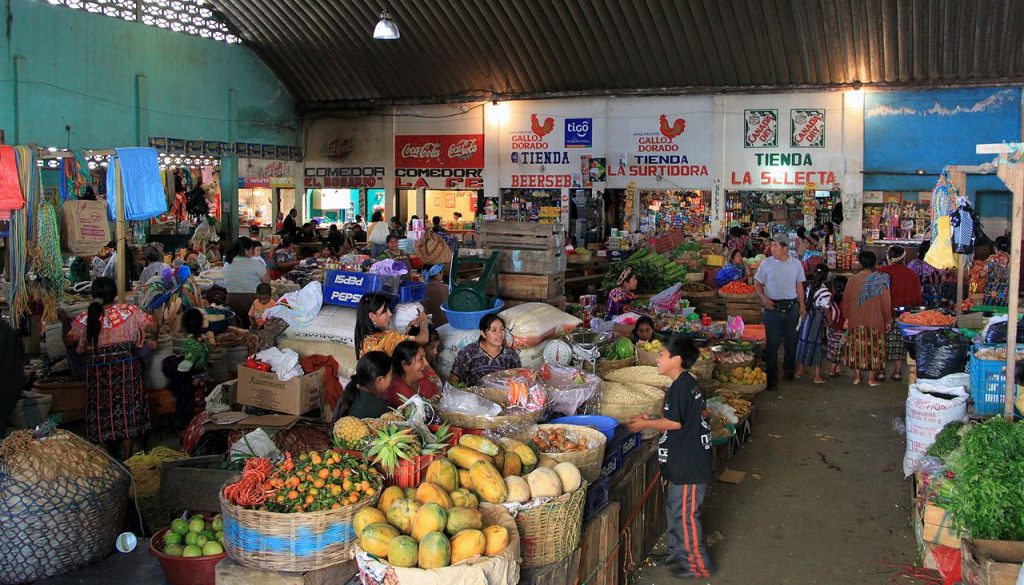
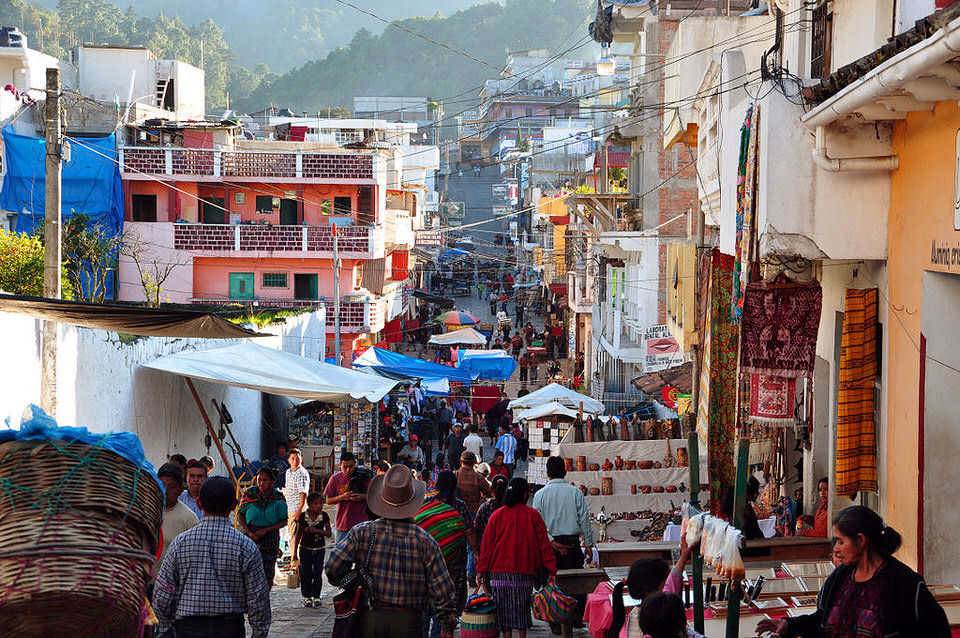
Chichicastenango – a traditional market town with an excellent craft market
Yaxha – a beautiful and atmospheric site in Yaxha National Park closeto Tikal
Ceibal / Aguateca and Chiminos Lodge – rainforest exploration, eco lodge and more remote Mayan sites.
Copan / (Honduras) – more remote and lesser visited market’s and Mayan villages deeper in the highland areas.
Rio Dulce – a beautiful river through a jungle canyon to the Caribbean – sailing to Belize possible.
Guatemala is a small country with a striking variety of topographic features. Nearly two-thirds of the country is mountainous and volcanic. Parallel to the Pacific lies the Sierra Madre mountain range, with peaks that rise to an elevation of up to 12,000 feet. The 33 volcanoes dominate the landscape, and these, coupled with the lush tropical rain forests to the north, the fertile plains of the south and east, the beautiful lakes, and the wonderful rivers, make this a land of varied contrasts.
To this rich array of contrasts, one must add a major contributing factor to Guatemala’s unique brand of beauty: its wealth of traditions, and the striking colors and patterns of the weavings of the Mayans. Noted for its lush colors and intricate design, the cloth is made into blouses called “huipiles”, sashes, skirts and headdresses. Every group or town has its own particular native costume. Woven by its women, usually on a stick loom, its patterns feature the traditional symbolism that identifies their history and ancient gods.
Individuals such as Miguel Angel Asturias, recipient of the Nobel Prize in Literature, and Rigoberta Menchú, the Nobel Peace Price recipient, have brought Guatemala international fame, but the country has given birth to many other great artists in all fields of art.
Easter week in Guatemala is one of the most colorful times to visit the country and to admire the religious and Indian folkloric traditions on display in different regions of Guatemala. The best place to be during Holy Week is La Antigua Guatemala. Other Indian villages with colorful folk traditions are Huehuetenango and Totonicapán, in which the passion of Christ is re-enacted live by a regional council of Indians who restage the events that happened on Holy Wednesday, Holy Thursday, Good Friday, Holy Saturday and Easter Sunday. Holy Week in Guatemala represents a conjunction of Catholic beliefs and of pagan Indian rites in the more picturesque regions of our highlands. We invite you to come and admire our beautiful processions and colored sawdust carpets.
The marimba, which looks like a large xylophone and has a wooden keyboard which produces a unique sound, is the national instrument of Guatemala. Possibly of African origin, the Indians played a simplified version before the coming of the Spaniards. A large modern marimba requires up to nine players.
In the highland region of Coba¡n, very much in seclusion, lives a bird of rare beauty called the quetzal. If it is kept in captivity, the quetzal dies; hence, it has become the national emblem that symbolizes freedom.
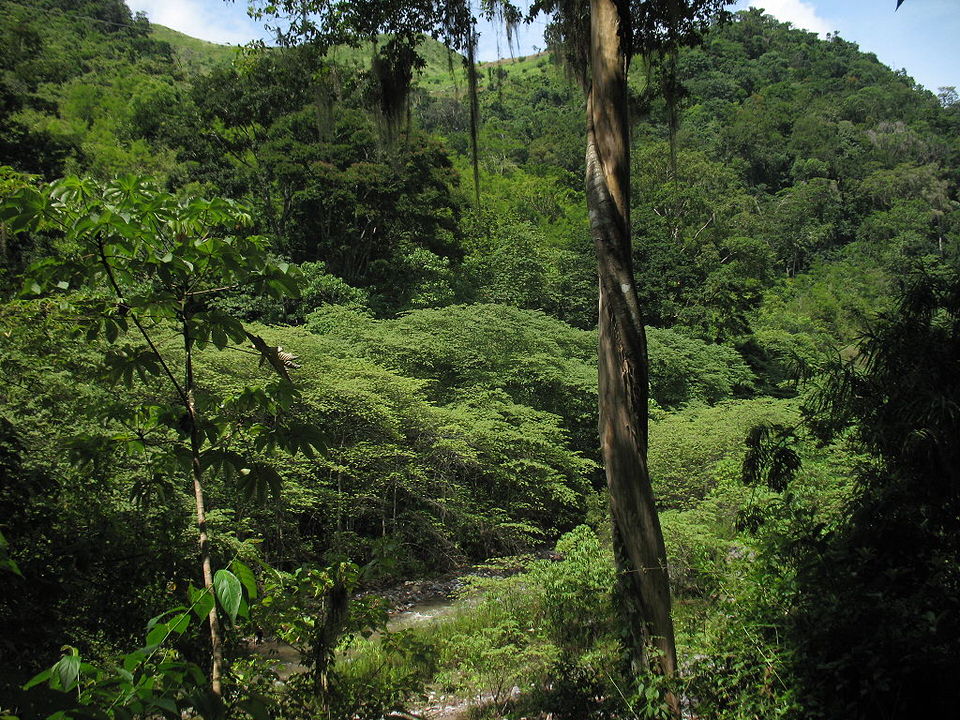
Because of its geographical location, Guatemala has a great variety of climates, vegetation and birds and animals in general, and it has more than nineteen ecosystems with their own varieties of flora and fauna. Sometimes these ecosystems are only separated by a river, a valley or a row of trees, but being in the same region, they offer a unique opportunity for interesting sightseeing.
The diversity of the geographic, climatic, cultural and historic features of Guatemala make it ideally suited for a large number of activities and sports.
We arrange custom, upscale Guatemala vacations, honeymoons and romantic getaways with a personal touch.