|
Nicaragua Vacations, Nicaragua Tours, Nicaragua Hotels and Resorts
Nicaragua Vacaion Guide provides quality vacation information including hotels, resort & lodging information, vacation packages, luxury tours and cruises to Nicaragua.
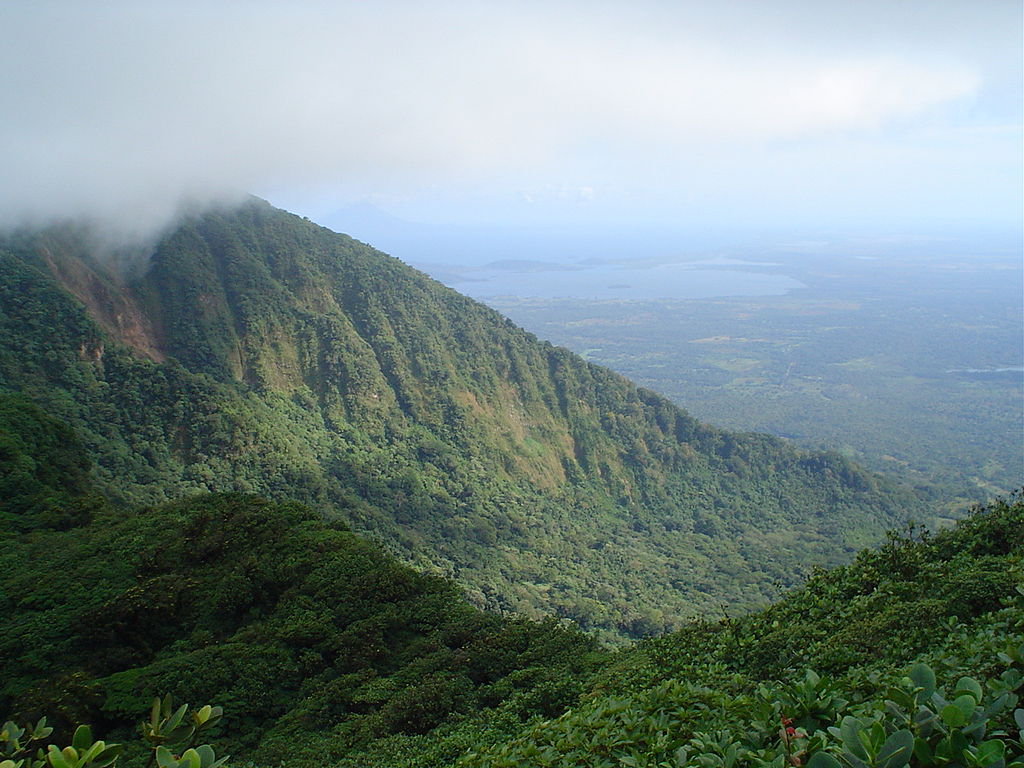
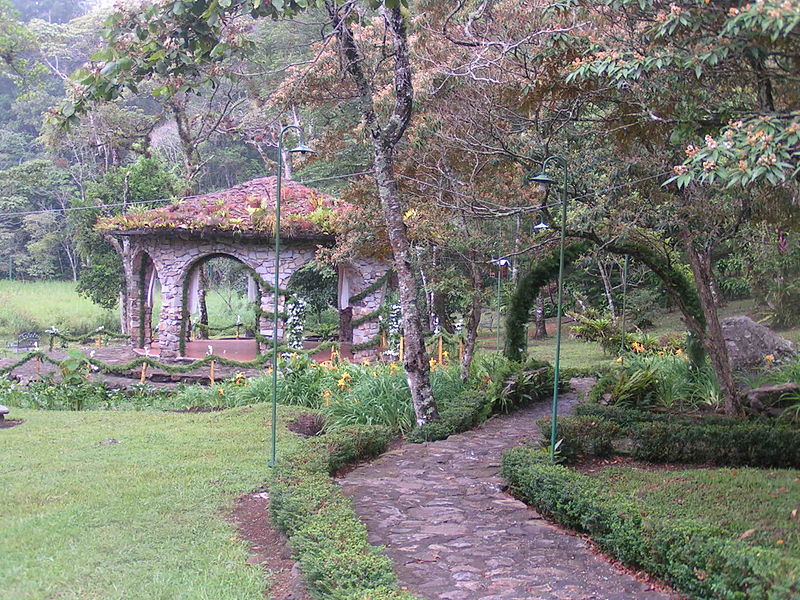
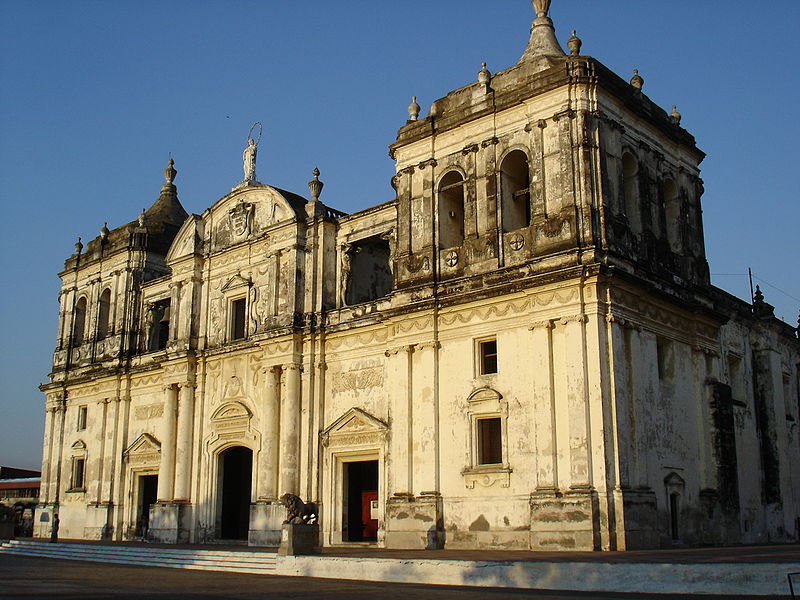
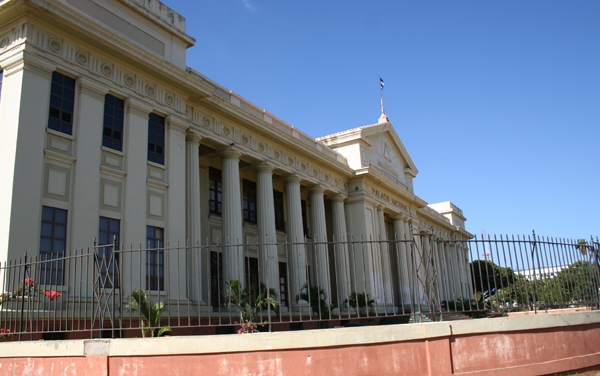
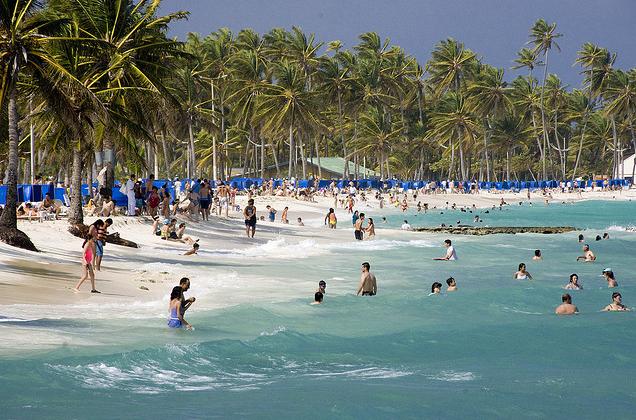
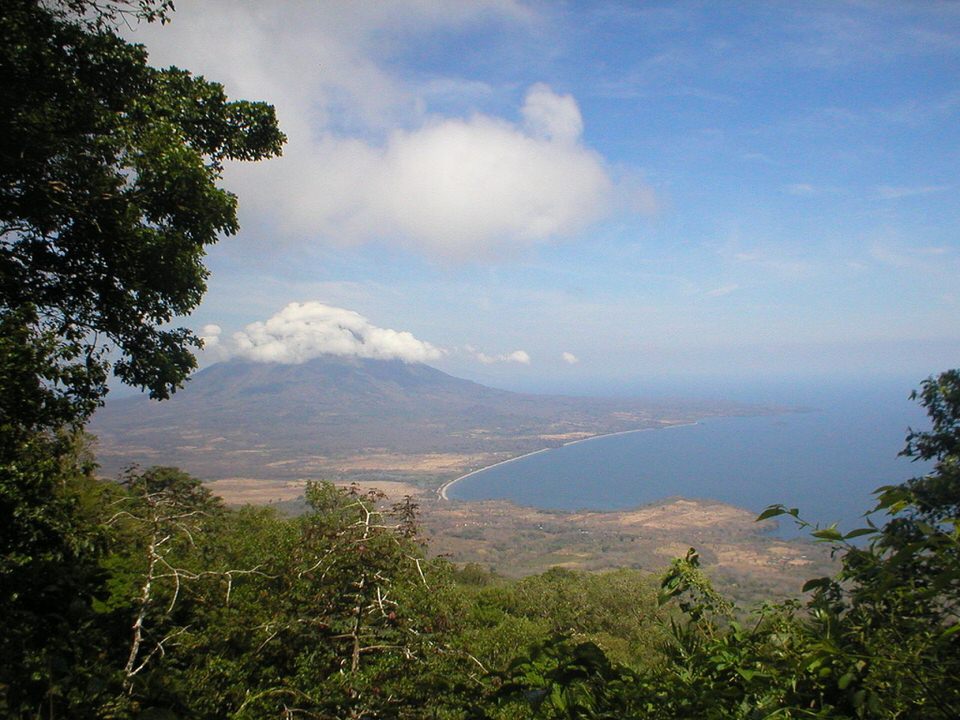
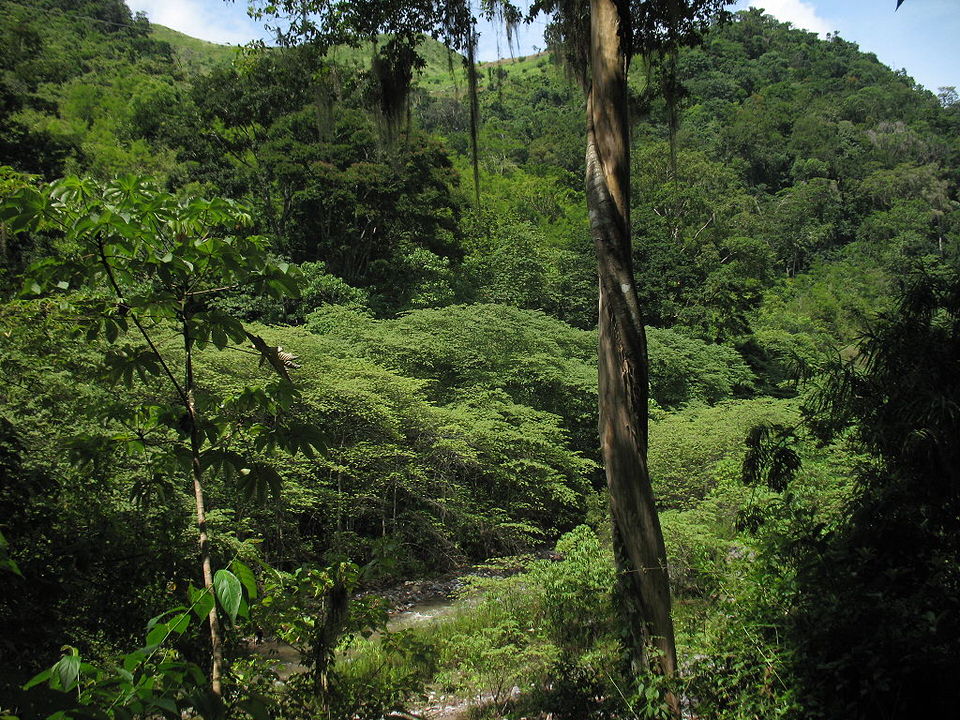
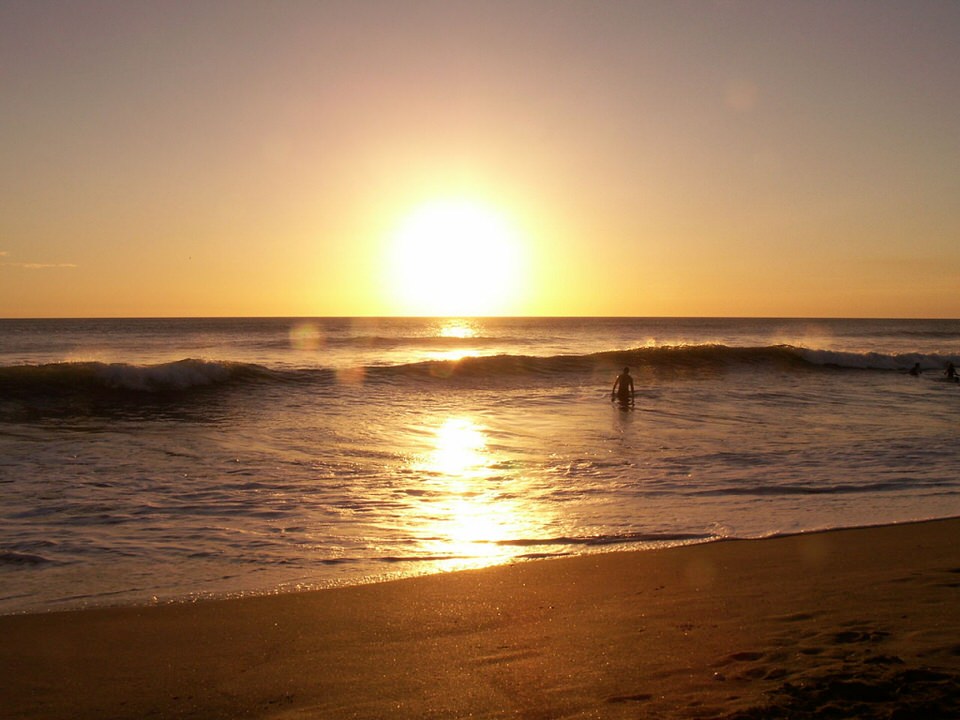
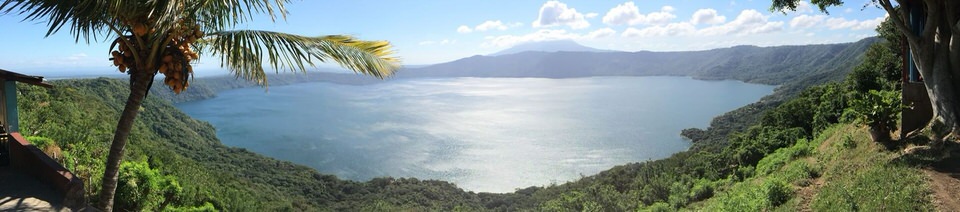
 The largest country in Central America, Nicaragua combines the best the region has to offer: untouched Caribbean islands, unique culture, classic colonial cities, and a lush natural environment. With 58 volcanoes, the largest tropical forest north of the Amazon, and Central America's biggest fresh water lake, with 350 islands. Vintage colonial cities are a study in contrasts: Leon with its lively university culture, grand Granada on the shore of Lake Nicaragua, and Managua, the capital known for Acahualina Footprints. In the highlands, attractions include Masaya's volcanic summit, to Esteli known for its cigar production, to the ancient villages of La Meseta. The Selva Negra Cloud Forest, a natural park, is set in the beautiful northern highlands. Lake Nicaragua lush islands include Ometepe Island with its volcanoes and antiquities; and Solentiname, an artists' hub and doorway to verdant Los Guatuzos Wildlife Refuge. Southern Nicaragua's Pacific coast beaches and turtle nesting areas remain largely undiscovered.
ENTRY/EXIT REQUIREMENTS: U.S. citizens must have a passport, an onward or return ticket, and evidence of sufficient funds to support themselves during their stay. Passports must be valid for six months beyond the duration of the visit. A visa is not required for U.S. citizens; however, a tourist card valid for 90 days must be purchased upon arrival. Tourist card fees and airport departure taxes must be paid in U.S. dollars. Visitors remaining more than 90 days must obtain an extension from Nicaraguan Immigration. Failure to do so prevents departure until a fine is paid. For further information regarding entry, departure, and customs requirements, travelers should contact the Embassy of Nicaragua at 1627 New Hampshire Avenue, N.W., Washington D.C. 20009; telephone (202) 939-6570 or (202) 939-6531; e-mail at embanic_prensa@andyne.net; or a Nicaraguan consulate in Atlanta, Houston, Los Angeles, Milwaukee, Miami, New Orleans, New York, Pittsburgh, San Francisco, or San Juan, Puerto Rico. U.S. citizens must have a passport, an onward or return ticket, and evidence of sufficient funds to support themselves during their stay. Passports must be valid for six months beyond the duration of the visit. A visa is not required for U.S. citizens; however, a tourist card valid for 90 days must be purchased upon arrival. Tourist card fees and airport departure taxes must be paid in U.S. dollars. Visitors remaining more than 90 days must obtain an extension from Nicaraguan Immigration. Failure to do so prevents departure until a fine is paid. For further information regarding entry, departure, and customs requirements, travelers should contact the Embassy of Nicaragua at 1627 New Hampshire Avenue, N.W., Washington D.C. 20009; telephone (202) 939-6570 or (202) 939-6531; e-mail at embanic_prensa@andyne.net; or a Nicaraguan consulate in Atlanta, Houston, Los Angeles, Milwaukee, Miami, New Orleans, New York, Pittsburgh, San Francisco, or San Juan, Puerto Rico.
CUSTOMS REGULATIONS: Nicaraguan customs authorities may enforce strict regulations concerning currency restrictions and temporary importation into or export from Nicaragua of items such as firearms, ammunition, antiquities, medications, etc. It is advisable to contact the Embassy of Nicaragua in Washington, D.C. or one of Nicaragua's consulates in the United States for specific information regarding customs requirements. Nicaraguan customs authorities may enforce strict regulations concerning currency restrictions and temporary importation into or export from Nicaragua of items such as firearms, ammunition, antiquities, medications, etc. It is advisable to contact the Embassy of Nicaragua in Washington, D.C. or one of Nicaragua's consulates in the United States for specific information regarding customs requirements.
SAFETY AND SECURITY: There are frequent accounts of robberies, kidnappings and extortion committed by armed criminal groups, particularly in remote areas in the northern/central departments of Nueva Segovia, Madriz, Jinotega, Matagalpa, Esteli and Boaco. These actions are primarily directed at local residents. However, travel in these areas is discouraged. Travelers should be aware of the risks involved and travel only on major highways during daylight hours. Political demonstrations and strikes occur sporadically in urban areas. U.S. citizens are advised to avoid crowds and blockades during such occurrences. There are frequent accounts of robberies, kidnappings and extortion committed by armed criminal groups, particularly in remote areas in the northern/central departments of Nueva Segovia, Madriz, Jinotega, Matagalpa, Esteli and Boaco. These actions are primarily directed at local residents. However, travel in these areas is discouraged. Travelers should be aware of the risks involved and travel only on major highways during daylight hours. Political demonstrations and strikes occur sporadically in urban areas. U.S. citizens are advised to avoid crowds and blockades during such occurrences.
Boundary disputes involving the governments of Nicaragua, Honduras and Costa Rica persist, particularly in the Caribbean coastal waters adjoining these countries, and on the San Juan River along the Nicaragua-Costa Rica border. Passengers and crews of foreign fishing boats have been detained and/or fined and vessels impounded. There also is a long-term boundary dispute with Colombia over San Andres Island and surrounding waters.
U.S. citizens are cautioned that strong currents and undertows off sections of Nicaragua's Pacific coast have resulted in a number of deaths by drowning. Warning signs are not posted, and lifeguards and rescue equipment are not readily available in Nicaragua. U.S. citizens contemplating beach activities in Nicaragua's Pacific waters are urged to exercise extreme caution.
Although hundreds of passengers travel daily on domestic flights within Nicaragua without incident, these flights make use of small, uncontrolled airstrips outside of Managua, with minimal safety equipment and little boarding security. In the last three years, there have been two incidents of hijacking of commuter flights departing from these airports.
When traveling to Honduras by road, the presence of land mines poses a danger to travelers venturing off the main roads in certain rural areas of northern Nicaragua.
CRIME INFORMATION: Violent crime in Managua and other cities is increasing, and street crimes are common. Armed and unarmed robberies occur on crowded buses and in open markets, particularly the large Mercado Oriental. Though not at levels found in neighboring Central American countries, carjackings and gang activity are rising in Managua. Gang violence, including robberies, assaults and stabbings, is particularly prevalent in poorer neighborhoods. Purse and jewelry snatchings from motorists occur at stoplights. Motorists are advised to travel with their windows closed and car doors locked. Violent crime in Managua and other cities is increasing, and street crimes are common. Armed and unarmed robberies occur on crowded buses and in open markets, particularly the large Mercado Oriental. Though not at levels found in neighboring Central American countries, carjackings and gang activity are rising in Managua. Gang violence, including robberies, assaults and stabbings, is particularly prevalent in poorer neighborhoods. Purse and jewelry snatchings from motorists occur at stoplights. Motorists are advised to travel with their windows closed and car doors locked.
Travel to Honduras on other than principal highways with border crossings at Guasale, El Espino and Las Manos is potentially hazardous because of criminal elements operating in parts of northern Nicaragua.
The loss or theft abroad of a U.S. passport should be reported immediately to the local police and the nearest U.S. embassy or consulate. U.S. citizens can refer to the Department of State's pamphlet "A Safe Trip Abroad" for ways to promote a trouble-free journey.
CRIMINAL PENALTIES: While in a foreign country, a U.S. citizen is subject to that country's laws and regulations, which sometimes differ significantly from those in the United States and may not afford the protections available to the individual under U.S. law. Persons violating Nicaraguan laws, even unknowingly, may be expelled, arrested or imprisoned. Penalties for possession, use, or trafficking in illegal drugs in Nicaragua are strict, and convicted offenders can expect heavy fines and jail sentences of up to 30 (thirty) years in prison.
MEDICAL FACILITIES: Medical care is limited, particularly outside Managua. Basic medical services are available in Managua. Serious medical problems requiring hospitalization and/or medical evacuation to the United States can cost thousands of dollars or more. Doctors and hospitals often expect immediate cash payment for health services. Medical care is limited, particularly outside Managua. Basic medical services are available in Managua. Serious medical problems requiring hospitalization and/or medical evacuation to the United States can cost thousands of dollars or more. Doctors and hospitals often expect immediate cash payment for health services.
MEDICAL INSURANCE: U.S. medical insurance is not always valid outside the United States. U.S. Medicare and Medicaid programs do not provide payment for medical services outside the United States. Uninsured travelers who require medical care overseas may face extreme difficulties. Please check with your own insurance company to confirm whether your policy applies overseas, including provision for medical evacuation. Please ascertain whether payment will be made to the overseas hospital or doctor or whether you will be reimbursed later for expenses that you incur. Some insurance policies also include coverage for psychiatric treatment and for disposition of remains in the event of death. Useful information on medical emergencies abroad, including overseas insurance programs, is provided in the Department of State's Bureau of Consular Affairs brochure Medical Information for Americans Traveling Abroad, available via the Bureau of Consular Affairs home page or via autofax: (202) 647-3000. U.S. medical insurance is not always valid outside the United States. U.S. Medicare and Medicaid programs do not provide payment for medical services outside the United States. Uninsured travelers who require medical care overseas may face extreme difficulties. Please check with your own insurance company to confirm whether your policy applies overseas, including provision for medical evacuation. Please ascertain whether payment will be made to the overseas hospital or doctor or whether you will be reimbursed later for expenses that you incur. Some insurance policies also include coverage for psychiatric treatment and for disposition of remains in the event of death. Useful information on medical emergencies abroad, including overseas insurance programs, is provided in the Department of State's Bureau of Consular Affairs brochure Medical Information for Americans Traveling Abroad, available via the Bureau of Consular Affairs home page or via autofax: (202) 647-3000.
OTHER HEALTH INFORMATION: Information on vaccinations and other health precautions may be obtained from the Centers for Disease Control and Prevention's hotline for international travelers at 1-877-FYI-TRIP (1-877-394-8747); fax 1-888-CDC-FAXX (1-888-232-3299), or via their Internet site at http://www.cdc.gov. Information on vaccinations and other health precautions may be obtained from the Centers for Disease Control and Prevention's hotline for international travelers at 1-877-FYI-TRIP (1-877-394-8747); fax 1-888-CDC-FAXX (1-888-232-3299), or via their Internet site at http://www.cdc.gov.
TRAFFIC SAFETY AND ROAD CONDITIONS: While in a foreign country, U.S. citizens may encounter road conditions that differ significantly from those in the United States. The information below concerning Nicaragua is provided for general reference only, and may not be totally accurate in a particular location or circumstance. While in a foreign country, U.S. citizens may encounter road conditions that differ significantly from those in the United States. The information below concerning Nicaragua is provided for general reference only, and may not be totally accurate in a particular location or circumstance.
Safety of Public Transportation: Poor Urban Road Conditions/Maintenance: Poor Rural Road Conditions/Maintenance: Poor Availability of Roadside Assistance: None
Road travel after dark is hazardous in all areas of the country. Nicaraguan roads are in poor repair, potholed, poorly lit, frequently narrow, and lack shoulders. Many roads were severely damaged as a result of Hurricane Mitch in October 1998. Because not all of the damage has been repaired, detours are common. Oxcarts, horses, abandoned vehicles or vehicles that lack front or rear lights are frequently encountered even on main thoroughfares in Nicaragua.
Traditionally, vehicles involved in accidents in Nicaragua are not moved (even to clear traffic) until authorized by a police officer. Drivers who violate this norm may be held legally liable for the accident. Nicaraguan law requires that motorists suspected of driving while intoxicated be taken into custody.
In Nicaragua, any driver who is party to an accident where injuries are sustained will be taken into custody, even if the driver is insured and appears not to have been at fault. The detention lasts until a judicial decision is reached (often weeks or months), or until the injured party signs a waiver relieving the driver of further liability (usually as the result of a cash settlement).
Specific information concerning Nicaraguan driver's permits, vehicle inspection, road tax and mandatory insurance is available from the Government of Nicaragua via the Internet at http://www.cancilleria.gob.ni.
AVIATION SAFETY OVERSIGHT: In the wake of several incidents involving La Costena, one of Nicaragua's two local air carriers, the U.S. Embassy has advised its personnel to avoid traveling on La Costena. U.S. citizens planning travel within Nicaragua may wish to consider possible transportation alternatives. In the wake of several incidents involving La Costena, one of Nicaragua's two local air carriers, the U.S. Embassy has advised its personnel to avoid traveling on La Costena. U.S. citizens planning travel within Nicaragua may wish to consider possible transportation alternatives.
The U.S. Federal Aviation Administration (FAA) has assessed the Government of Nicaragua's civil aviation authority as Category 3 -- not in compliance with international aviation safety standards for oversight of Nicaragua's air carrier operations. Flights to the U.S. by Nicaragua's air carriers are not permitted unless they arrange to have the flights conducted by a carrier from a country meeting international safety standards. For further information, travelers may contact the Department of Transportation within the U.S. at 1-800-322-7873, or visit the FAA Internet web site at http://www.faa.gov/avr/iasa/index.htm. The U.S. Department of Defense (DOD) does not permit its personnel to use carriers from Category 3 countries for official business. For information regarding DOD policy on specific carriers, travelers may contact the DOD at (618) 229-4801.
OTHER INFORMATION: The Nicaraguan economy is primarily cash-based. Though many restaurants and hotels now accept credit cards, especially in Managua, acceptance is not as widespread as in the U.S. Travelers checks are accepted at a few major hotels and may be exchanged for local currency at authorized exchange facilities ("casas de cambio"). There are few automatic teller machines, particularly outside Managua. English is not widely spoken. The Nicaraguan economy is primarily cash-based. Though many restaurants and hotels now accept credit cards, especially in Managua, acceptance is not as widespread as in the U.S. Travelers checks are accepted at a few major hotels and may be exchanged for local currency at authorized exchange facilities ("casas de cambio"). There are few automatic teller machines, particularly outside Managua. English is not widely spoken.
DISASTER PREPAREDNESS: Nicaragua is prone to a wide variety of natural disasters, including earthquakes, hurricanes and volcanic eruptions. General information about natural disaster preparedness is available via the Internet from the U.S. Federal Emergency Management Agency (FEMA) at http://www.fema.gov. Nicaragua is prone to a wide variety of natural disasters, including earthquakes, hurricanes and volcanic eruptions. General information about natural disaster preparedness is available via the Internet from the U.S. Federal Emergency Management Agency (FEMA) at http://www.fema.gov.
CHILDREN'S ISSUES: For information on international adoption of children and international parental child abduction, please telephone (202) 736-7000. For information on international adoption of children and international parental child abduction, please telephone (202) 736-7000.
REGISTRATION/EMBASSY LOCATION: U.S. citizens living in or visiting Nicaragua are encouraged to register at the Consular Section of the U.S. Embassy in Managua and obtain updated information on travel and security in Nicaragua. The U.S. Embassy is located at Kilometer 41/2 (4.5) Carretera Sur, Managua; telephone (505)266-6010; after hours telephone (505)266-6038; Consular Section fax (505)266-9943. U.S. citizens living in or visiting Nicaragua are encouraged to register at the Consular Section of the U.S. Embassy in Managua and obtain updated information on travel and security in Nicaragua. The U.S. Embassy is located at Kilometer 41/2 (4.5) Carretera Sur, Managua; telephone (505)266-6010; after hours telephone (505)266-6038; Consular Section fax (505)266-9943.
|