
Slovakia
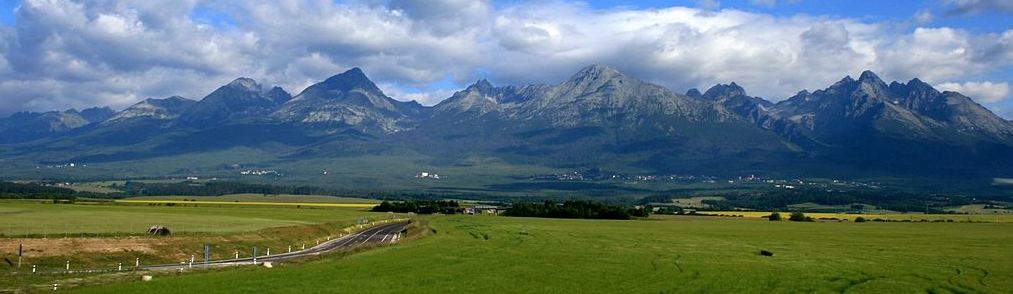
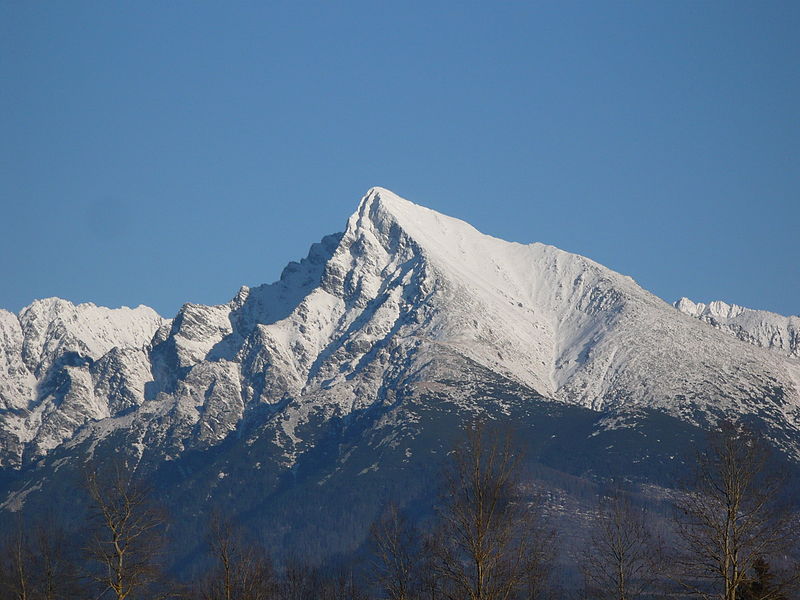
A small, picturesque country: Slovakia is situated in Central Europe. It has common frontiers with Austria, Czech Republic, Poland, Ukraine and Hungary. The landscape bears all the characteristic traits of the temperate zone with a transitional oceanic-continental climate. It belongs to the brown-soil region with deciduous forests. Slovakia is predominantly a hilly country. The lowlands in the south and east of Slovakia form only 29% of its territory, the remaining 71% to the north is taken up by the mountainous landscape of the temperate zone, forming the Carpathian mountains.
The CARPATHIAN ARCH is running along the Danube River. The mountain range is divided into three parts by the rivers Va¡h and Hron. Plentiful fauna and flora of Slovakia comprise many rare species.
Slovakia lies in the temperate zone with regularly alternating seasons. . The warmest regions are the South Slovakian and East Slovakian lowlands.
About 5.5 million of inhabitants live on the area of 49,000 sq.km. The Slovak (87,7%) population is including Hungarian (10,6%), Czech (1%), German, Ukrainian-Ruthenian, Polish and Romany minorities.
Tradition and national customs of Slovakia are as variegated as its nature and people. For a bit more romantic the tourists may stay in camps and caravanning facilities, youth hostels and hotels of all categories.
Gastronomy shows the influence of a narrow contact with the neighboring countries. European meals, home specialties and foreign meals are available. In Bratislava they offer unlimited choice, including kosher food, French meals, as well as the “smorgasbord”. Motorists and original “tchardas” present all kinds of regional specialties – from Slovak cooking in the north of the country to Hungarian and fish meals in the Danubian region in the southern part of the country.
We’ve been orchestrating Slovakia vacations for discriminating travelers for more than 20 years. It helps us help you, if you begin with our vacation planner we’ll make sure you have a lot of fun in Slovakia, do everything for you; air, car, hotels and transfers; get you the best airfare rates, enjoy privileged access plus luxury amenities and special touches. You’ll travel confidently, save time and prevent costly mistakes.
Home and foreign calls are enabled by public telephones working on coins or cards. Telephone calls on significant numbers (see lower) are free of charge. Emergency centers offer permanent service including aid on car accidents and repair on practically all types of vehicles.