|
Peru has a plethora of enchanting ancient sites that will thrill culture buffs, archaeological fans and adventure seekers alike. Cusco, a facinating city build on top of an important Inca city, is a great destination that should be combined on a Peru tour.
Archaeologists just uncovered an amazing temple the was build before the Inca Impire was established. The temple was unearthed next the the renowned Sacsayhuaman Fortress and has a maze of rooms that most likely was a burial place.
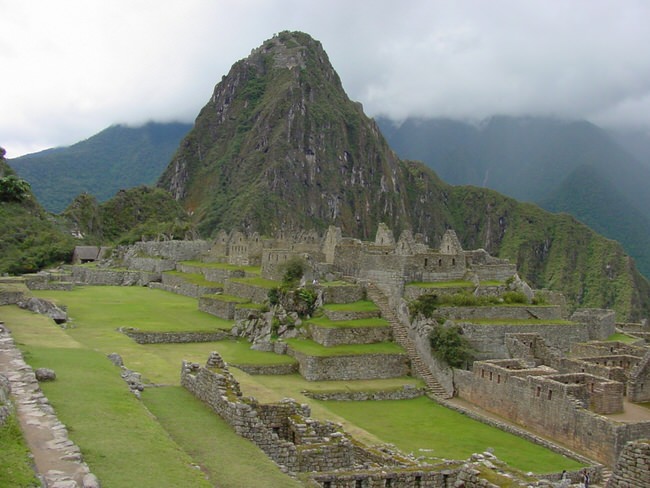
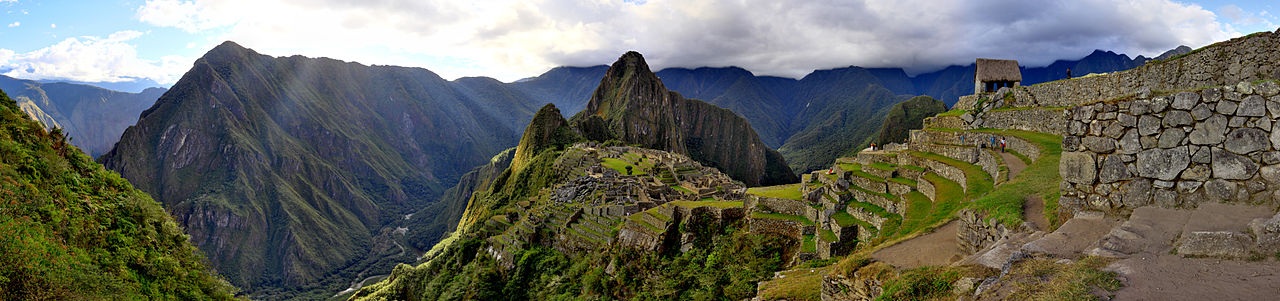
Peru is renowned Machu Picchu, the mystical ruins that are also known as the “ Lost City of the Incas.” We visited Machu Picchu and agree, it is every bit as extraordinary as you have heard, a fantastic stone complex built way high up in the mountains, and frequently bathed in misty white clouds that makes it seem even more mysterious.
Machu Picchu is a must see for any serious traveler interested in the enigmatic. Machu Picchu was just named one of the seven wonders of the world, and one the most incredible places on earth. It is perched on the eastern slopes of the Vilcanota mountain range, a chain of mountains curtailed by the Apurimac and Urubamba Rivers. At latitude 13 degrees 7' south and longitude 72 degrees 35' West, Machupichu is situated at a height of 2,350 meters above sea level.
However, vacationers may not realize is that there is way more to Peru than Machu Picchu, for instance, the bustling streets of modern Lima, the ancient colonial cobblestone charm of Cusco, and the scenic villages and lofty views that can be found in the mystical Sacred Valley are just a few of the highlights that await visitors
Inkaterra Machu Picchu Pueblo Hotel, is a great place to stay, will give you the opportunity to catch an early morning bus ride to this site to watch the sunrise.
Climate and environment is a subtropical zone with dense woods, and the climate is mild, warm and damp with an average year-round temperature of 13c during the day. The heaviest rains fall from November to March and April through October brings drier, higher temperatures.
Flora and Fauna Both are abundant and varied. Typical plant life in the historic reserve of Machu Picchu includes plaonayes, qientas, alisos, puya palm trees, ferns and more than 90 species of orchids.
The fauna in the reserve includes the spectacled bear, cock-of-the-rocks or '"tunqui", tankas, wildcats and an impressive variety of butterflies and insects unique to the region.
The natural surroundings and the strategic location of Machu Picchu give this monument a fusion of beauty, harmony and balance between the work of the ancient Peruvians and the whims of nature unlike any other in the world.
Machu Picchu historians do not know exactly who was the first to discover this area, but we do know that some of the first explorers included Antonio Raymondi, the Count of Sartiges and Chartes Wiener. Other visits included one in July 1909 by the Sartander brothers, whose inscription can be found carved into the base of the Temple of the Sun. At the same time, Peruvian explorers Enrique Palms, Augustin Lizarraga and Gavino Sanchez arrived at the citadel via San Miguel.
On July 14,1911, Hiram Bingham arrived with a team of Yale University specialists in topography, biographies, geology, engineering and osteology. They were guided to the area by local inhabitant Meichor Arteaga. When he was asked about the city, he toid them it was located on top of an old peak ("Machu Picchu" In Quechus).
In 1914, Hiram Bingham retumed to Machu Picchu with economic and logistic backing from Yale University and the U.S. Geographic Society and subsequently published the report which became known around the world as "The Lost City of the Inca".
Near the city of Iquitos, the waters of the great Ucayali River join those of the Maranon, to form the powerful Amazon, which flows more than 3,500km, through the jungle to the Atlantic Ocean. The world's largest river, the Amazon is so wide that the opposite shore is sometimes difficult to see. Iquitos is the ideal point of departure for exploring this imposing force of nature.
From the city, there are different ways to see the river and jungle, You can travel by river to typical lodges deep in the jungle or visit the Yagna or Bora Indian villages that proudly preserve their native customs. You can also explore the fascinating tributaries and islands of the Amazon or fish in the rivers and lakes. The most comfortable option is to take the 4-day river cruise to the Brazilian border (a 7-day round trip). It is also interesting to extend your trip as far as the border of Colombia.
Here in the Amazon jungle is the Pacaya-Samlrla National Reserve, where the virgin jungle abounds in flora and fauna.
The city of Iquitos flourished during the 19th century rubber boom, which left its mark in the architecture of the manor houses designed by Eiffel, which still possess the charm of past ages. Iquitos also offers night life and typical food made from the local paiche fish, heart of palm, exotic fruits, etc.). Visitors are encouraged not to miss the Quistococha National Tourist Reserve, to swim in the lake or enjoy the peace of its isolated Amazon lodges.
In Inka mythology, Manco Capac and Mama 0cllo, children of the Sun, emerged from the depths of Lake Titicaca to found their empire. Like famous naturalist Jacques Cousteau, today's visitors to Titicaca will surely feel the same emotion that captivated the symbolic universe of the ancient Peruvians. With lofty snow-capped peaks along its far shores, the vast blue lake at 3,800m is one of the Andes' most enchanting scenes.
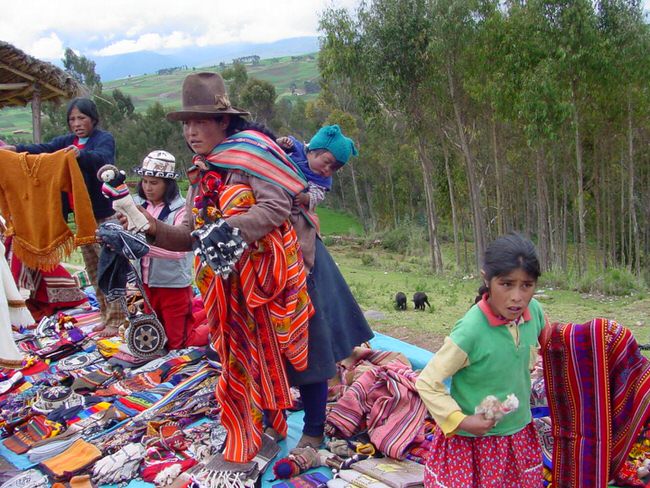
The 81 square hectare lake is situated on the high plateau that extends for hundreds of kilometers between Bolivia and Peru and is still home to a monolingual people. The plains abound in llamas and alpacas, whose wool the women knit into colorful clothing to sell in the Puno and Juliaca markets. The men still make their boats of the reed that grows in the lake. The region's folklore is one of the richest expressions of Peruvian folk art, reflected for example, in the festivities for the Virgen de Ia Candelaria.
Our Virtuoso--- Peru Travel and Cruise consultants have hiked, toured, driven and cruised every tourist destination in Peru. Try us, you'll be pleased!
|