|
British Virgin Islands National Parks Guide
Rhone Marine Park
The Wreck of the Rhone is not only the first, it is also the only Marine National Park in all of the British Virgin Islands. Rhone Marine Park is truly the most celebrated dive site in the British Virgin Islands, and is a major recreational attraction. The park displays stunning examples of fringing reef habitat and sea grass beds. A fascinating wreck worth exploring is that of a Royal Mail Steamer, that had sunk during the hurricane of 1867, sadly with 125 people on board. Stretching along the sea depths, at 310 feet long and 40 feet wide, the remaining wreck of the Royal Mail Steamer lies in two parts in sea waters from 30 to 90 feet deep. Much of the steamer is still intact and visible. Divers can easily oberve decking, rigging parts, and even the steam engine and propeller. The Rhone Marine Park reaches from Lee Bay (on Salt Island) west, including Dead Chest Island. The ship's anchor had broken away outside of Great Harbour, Peter Island, and so now this site forms the second portion of the park. The park is used daily by several commercial dive operators. Other dive sites within the park include Rhone Reef, Painted Walls, and Blonde Rock. It is important to note that anchoring is strictly prohibited in the areas that are within and around the Rhone. The National Parks Trust has established mooring buoys that are to be used by all vessels whether they are commercial, charter, or private. If moorings around the Rhone Marine Park area, vessels are required, instead to use either the Salt Island Settlement or Peter Island anchorages.
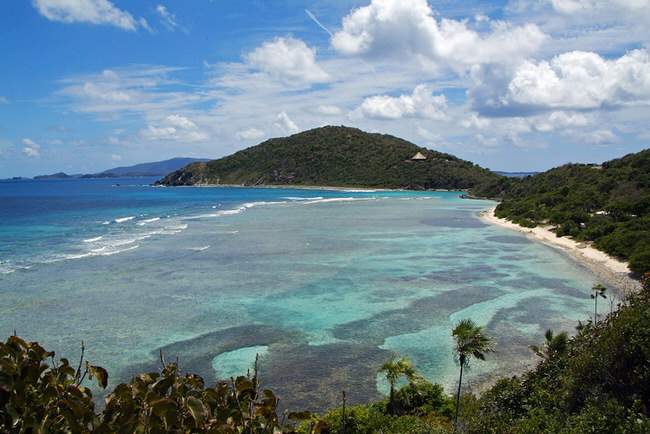
Cam Bay National Park (Great Camanoe) Cam Bay, on the eastern shore of Great Camanoe, is made up of an extensive shallow reef and lagoon system. The park's calm waters, colorful reef fish and the pristine marine environment are significant draws for swimmers and snorkelers. Birdwatchers also enjoy the salt pond, from where they can see a variety of migratory wading birds and shorebirds. It is interesting to note that pottery shards that have been discovered in Cam Bay suggest a presence of a pre-Columbian settlement there.
Dead Chest National Park (Dead Chest)
Dead Chest Island, an uninhabited National Park, offers three dive sites that can reached by taking a dinghy from Deadman's Bay. Coral Gardens is a friendly site that offers novices and snorkelers calm weather (but often boat traffic). Coral Gardens gets its name from the many Coral heads of brain, star, and sheet corals that resemble an acquatic garden. Dead Chest West offers a series of discoveries, that include an archway, caves, bowls, and even mazes. Dead Chest Island reportedly attained its name when the notorious Blackbeard, following a mutiny, left15 men ashore on the island with only a bottle of rum. From this alleged event, henceforth is the song: "15 men on a dead man's chest, yo ho ho and a bottle of rum."
Fallen Jerusalem National Park (Fallen Jerusalem)
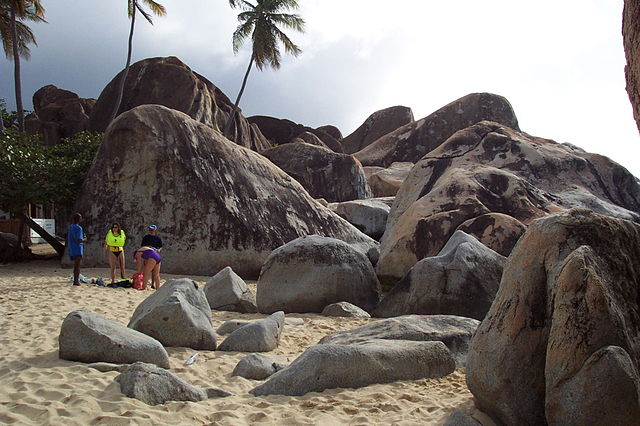
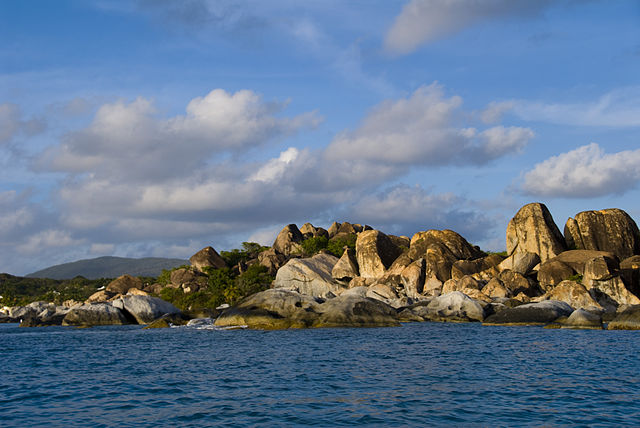
The island of Fallen Jerusalem stretches to 30 acres and is comprised of the most beautiful coastal vegetation and is strewn with enormous boulders that bear resemblance to those found at the Baths. The island, itself, was declared to be a national park in 1974, as a result of its important role as a sanctuary for several bird species. These species include the endangered red-billed tropic bird which has declared the island its home. In addition, Fallen Jerusalem is a very essential nesting site for seabirds that include brown boobies, laughing gulls, noddies as well as brown pelicans, in addition to sandwich, royal, and bridled terns. Secluded beaches fringe the Park's delightful snorkeling areas. Among the islands beaches, North Lee Bay beach is the best. Underwater tunnels and caves are a haven for nocturnal fish on the northewest shore, while schools of glassy sweepers glisten like shiny copper bits. Since overnighting is discouraged, there is no safe, overnight anchorage available.
Little Tobago National Park (Great Tobago)
Lying at the northwestern corner of the British Virgin Islands chain lie the Tobago Cays: two islands surrounded entirely by rugged sea cliffs, where the seabeds of which slope dramatically downwards to depths of 165 feet. The cays are exceptional habitats for seabird nesting with Great Tobago being the only nesting site in the whole of the BVI for magnificent frigate birds. To the east of the island, experienced divers may explore waters near Mercurious Rock- here fish congregate where open ocean meets land.
Prickly Pear National Park (Prickly Pear) This 243-acre island was declared to be a National Park in 1988. Found in the Virgin Gorda's North Sound, cacti cover the hills of Prickly Pear. that slope down towards several impecable beaches. The low-lying areas, are home to white and black mangroves that grow along four of the the island's salt ponds, thus providing an invaluable habitat for both species of resident and migratory birds. Red mangroves along the southern shore offer a home for a variety of fish, as well as sea urchins, and other marine creatures. The northern and eastern shores offer two of the territory's very best beaches. The north beach, in particular, offers some fantastic swimming and snorkeling. Hiking enthusiasts, are sure to love the hiking trail that was created by National Parks Trust and Visions International that runs from the Sand Box Bar, along a gentle slope, before veering down towards the North Beach. To take a rest from hiking, one may find a superb spot under the shady plumage of a tamarind tree on the hilltop, and soak up the cool, Caribbean breeze.
West Dog National Park (West Dog)
Nestled in an island cluster called The Dogs west of Virgin Gorda, one will find West Dog- a rugged, volcanic island that rises steeply above the sea. The island provides the ideal habitat for nesting seabirds that seek protection, while it also offers a fascinating diving and snorkeling environment. The waters surrounding West Dog are full of fish, colorful coral reefs and picturesque submerged pinnacles.
Save time, money and stress! For reservations: Fill out the vacation planner to be contacted by a Caribbean vacation specialist.
Contact : Travelwizard.com Phone: 1-800-330-8820 or 1-415-446-5252
|