South Pacific
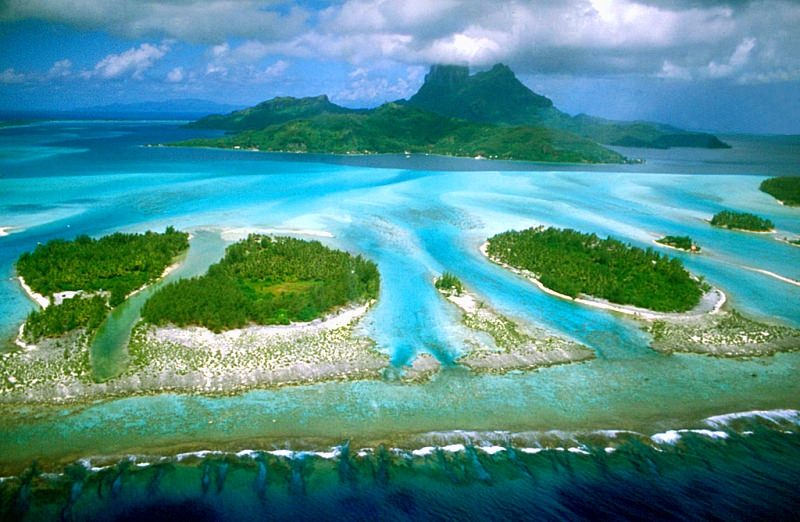
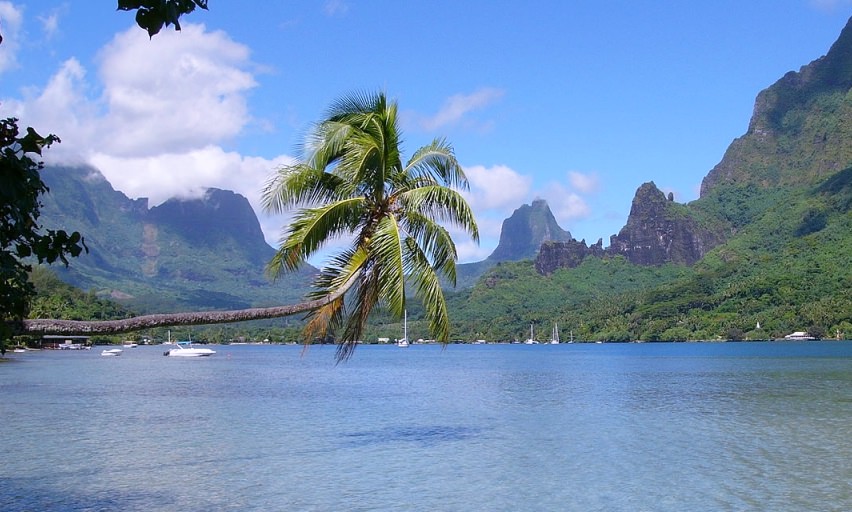
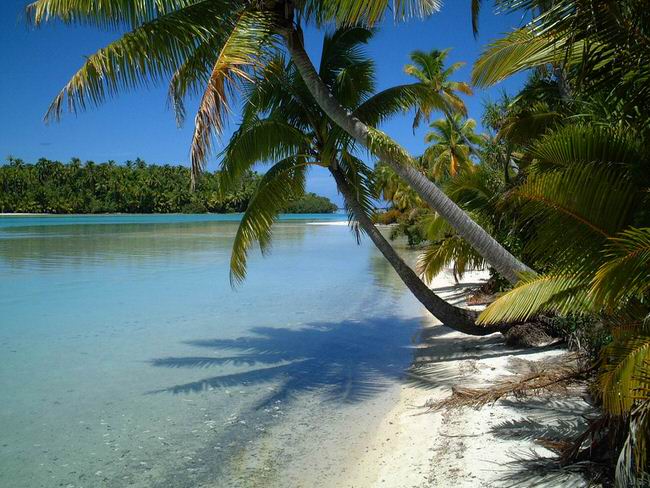
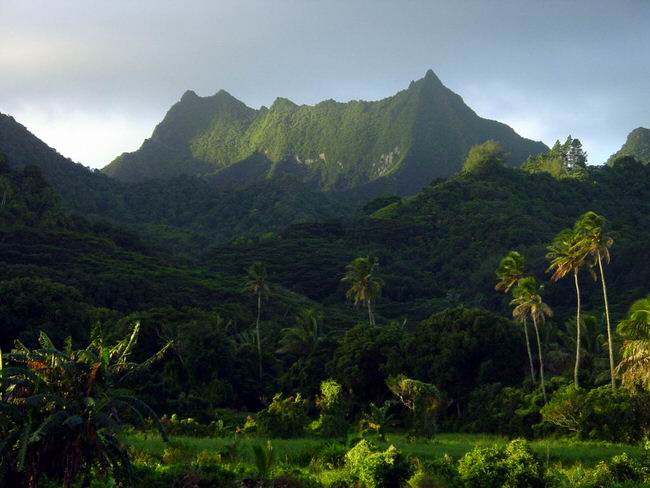
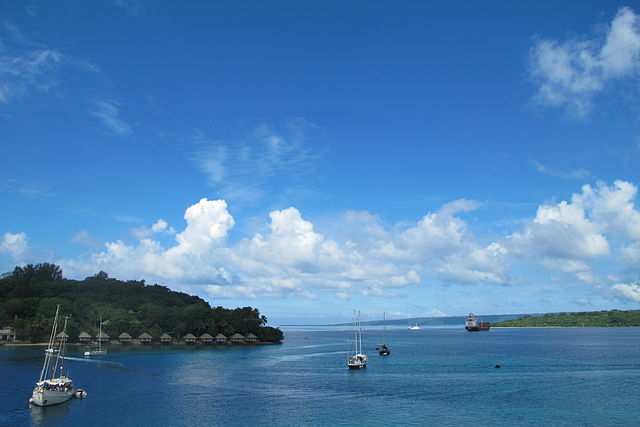
The South Pacific has some of the most romantic, beautiful, enchanting islands in the world. Each South Pacific Island has its own special flavor, personality, and geographical features.
Enjoy carefully tailored South Pacific vacations, and travel related services designed specifically for the sophisticated traveler. Our travel advisors are experts in all the South Pacific’s Islands and resorts and travel to the islands numerous times every year, inspect the resorts, and can answer all your questions from a firsthand experience.
Delivering insider access to all corners of the world, safely, in peerless comfort and style, with unparalleled value and expertise is our method. It helps us help you if you begin with our vacation planner so we can connect you one of our travel advisor that specializes in the island you are thinking about. We’ll save you time, get you free upgrades, extraordinary airfare rates, luxury amenities and special touches that will enhance your experience considerably.
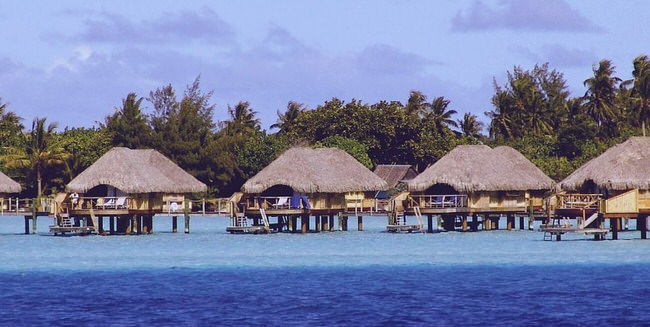
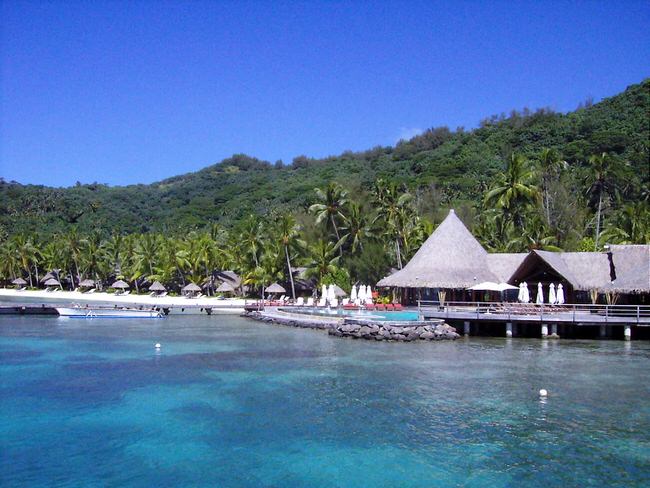
South Pacific vacations, cruises, tours, luxury hotels and resorts. Have you have dreamed of a great South Pacific vacation you have come to the right place. You’ll find all the upscale island resorts here, plus professional destination specialists for Tahiti, Fiji, Cook Islands and all the other exotic islands at your service.
The majestic high islands, such as Bora Bora, Moorea, or the emerald atolls like Aitutaki and Rangiroa all possess a unique variety of wonderful vacation destinations. You can dive the pristine waters of Fiji, Vanuatu or the Solomon Islands.
On this site you will be able to explore the South Pacific’s eleven million square miles of ocean, sprinkled with remote islands, the very best in South Pacific Islands international vacation resorts, exotic inner-island vacation cruises, and yacht charters to unusual romantic vacation islands in the South Pacific that you probably haven’t heard of.
There are thousands of incredible islands and atolls in the South Pacific to explore. Incredible voyages of discovery and navel battles in history -Tahiti, Fiji, Kiribati, Cook Islands, New Caledonia, Niue, Solomon Islands, Tonga, Tuvalu, Vanua. The names of the South Pacific Island conjure up images of the past, Papua New Guinea and Samoa – they all sing with a special South Pacific charm and allure which has attracted romantic adventurers, explorers, and fortune seekers to the South Pacific since the dawn of time.
There have been thousands of fabulous books written about the South Pacific, its explorers, beach combers, and eccentric inhabitants. The delightful natives are part of the South Pacific Islands romance. Journey to South Pacific Islands and you will have an experience that you will cherish for the rest your life.
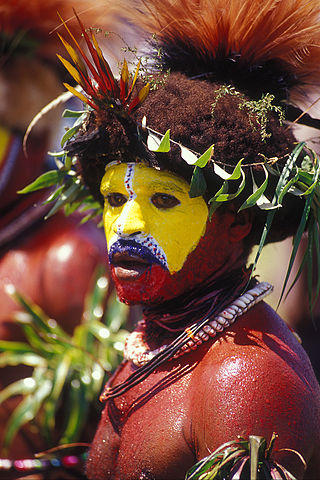
The South Pacific Islands people have not been tarnished by the trappings of the outside world. They are very romantic, genuine, exceptionally interesting, and have excited the imagination for centuries. The natives rely on the bounty of the ocean and the land; and still live like their forefathers, in harmony with their natural surroundings.
Overwhelmed by all the choices? Don’t worry, let us orchestrate your dream vacation. Our Virtuoso Travel Advisors are experts in every intimate detail regarding your vacation request—just click on our, “Vacation Planner” at the top of this page and we will be happy to assist you at no extra charge.