|

Located in the southern part of South America and thus in the southern hemisphere, Argentina has an area of almost 3.8 million square kilometers, of which 2.8 are on the continent and the remainder in the Antarctic. Its length of 3.800 Km goes from latitude 22º to 55º. Its frontier with Uruguay, Brazil, Paraguay, Bolivia and Chile has a perimeter of 9.376 Km. The coast on the Atlantic Ocean is 4.725 Km long.
Litoral-- This great Argentina vacation region of large rivers, humid tropics, red earth, magnificent forest, a virgin forest full of huge trees and extraordinary flora and fauna. Great Waters - "Iguazú" in the Guaraní language - overflowing into one of the world's wonders: the Iguazú Falls.
The Iguaçú Falls are in the Iguaçú National Park, at the border of Brazil and Argentina. In a horseshoe form, 2,700 meters wide between the two countries, the Iguaçú Falls fill the visitors's view with the spray of 72 meter-high falls - the number of them varies between 150 and 300, depending on the flow of the Iguaçú River. The panorama overwhelms the onlooker with a sensation of fright, fascination and respect for the perfection of nature. A visit to the Falls and the contact with wildlife and the spectacle of the waters awake an emotion that many hope to experience once in a lifetime.
A scenery of exuberant beauty spreading along the Iguazú National Park, Saltos del Moconá (Moconá Falls), Río Pilcomayo National Park, El Palmar National Park, Esteros del Iberá (Iberá Swamps) or the Chaco plains.
The fundamental characteristic of Argentina is the enormous contrast between the immense eastern plains and the imposing mountain range of the Andes to the west. This is the frontier with Chile and it has the highest peak in the Western hemisphere: the Aconcagua, 6.959 meters high.
In its passage from Jujuy to Tierra del Fuego the range presents marvelous contrasts, the plateau of the Northwest, the lake region, the forests and the glaciers of the Patagonian Andes.
To the north, Chaco is a forested area which follows the rivers Bermejo, Salado and Pilcomayo.
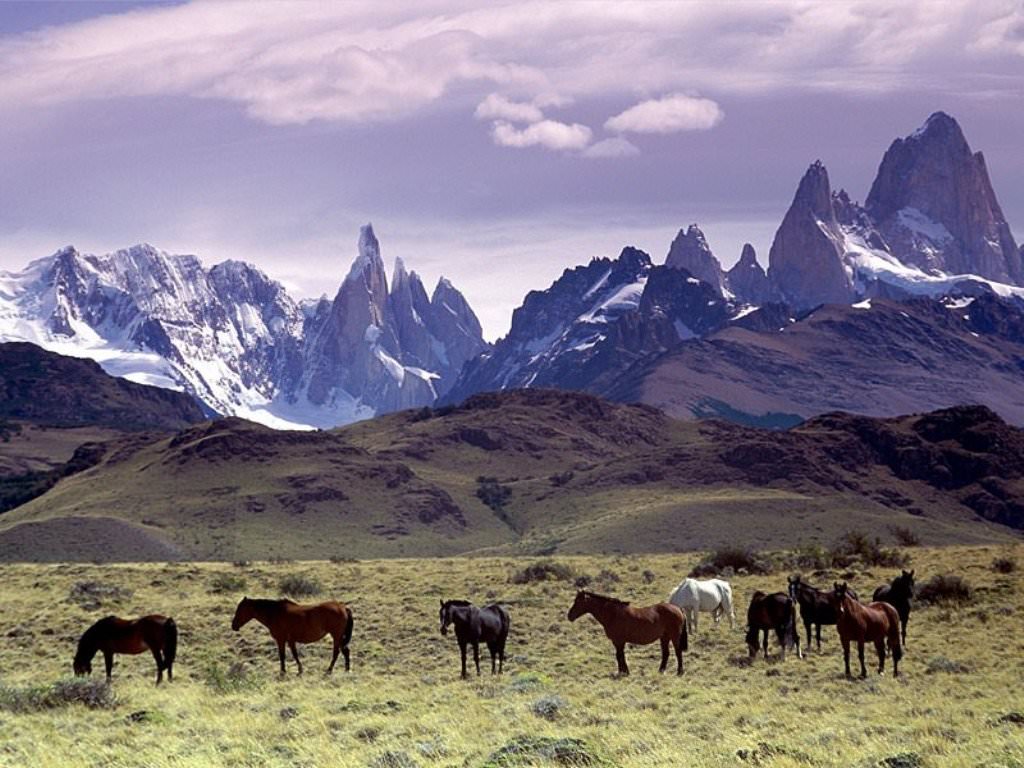
This is an ideal area for camping, hiking, and trekking because of its several national parks, mountains, and forests. Climbing mounts Tronador and Lanín and the upright walls of mounts Torre and Fitz Roy is a classical activity which represents a challenge even for expert mountain climbers.
Argentina's wide variety of ecosystems is reflected on the great number of activities that can be enjoyed throughout the country. Each location offers a range of opportunities for visitors to enjoy in close contact with nature, its challenges and secrets, and surrounded by landscapes that make visitors feel like discoverers. Trekking, mountain-biking, mountaineering, white-water rafting, canoeing, hydro-speeding, rides in 4WD vehicles, hang-gliding, paragliding, cart-sailing, and windsurfing, are some of the most popular recreational and sport activities that can be practiced, and which are constantly renewed and adapted to suit visitors' preferences.
The Andes mountain range shows its beauty in the Patagonian provinces. Millennial silent forests with native vegetable species are extended along the shores of glistening waters. On top of the mountains, nature overflows with granite peaks and ice fields spreading their glacier tongues into lakes of unsurpassable beauty.
Imposing mammals and sea birds, half-way between real life and fantasy, spend certain seasons on the rough coasts of Patagonia where they complete part of their life cycle. Seals colonies play on the islets and sandbanks. The world's most important southern elephant seal continental colony is located in Peninsula Valdés. Every year, southern right whales come to Nuevo and San José gulfs to breed. Patagonian hares, "ñandúes" (South American ostrich) and "guanacos" run about the steppes, and the largest colony of Magellanic penguins in the world is located in Punta Tombo. This life cycle repeated since time immemorial, unfolds itself in front of the astonished visitors' eyes.
We have great tours from Bariloche to mounts Catedral, López, Otto, and Tronador - the latter very well-known because of its glaciers -, depart from San Carlos de Bariloche, "capital of the Andean Patagonia". Sailing trips to the Llao Llao peninsula along Lake Nahuel Huapi reaching Puerto Blest (Blest Port), Isla Victoria (Victoria Island) and Bosque de Arrayanes (Arrayanes Forest). There are also trips to El Bolsón and Lago Puelo National Park.
Something you cannot miss during your visit in Argentina is the Perito Moreno glacier, which, together with other twelve glaciers, makes up the biggest sliding masses of ice and snow of Los Glaciares National Park. This 5-Km-wide glacier, which is 60 meters above Lake Argentino, continues in advance. Throughout the year, ice towers detach from the glacier and plunge into the water as small icebergs. Perito Moreno glacier can be reached from El Calafate. Sailing across Lake Argentino, among white and blue icebergs, you can see 50-Km-long Upsala glacier. Onelli and Agassiz glaciers can be admired after walking 1,5 Km from Onelli bay.
In the south, Tierra del Fuego and the World's southernmost city, Ushuaia, are the gateway towards the vast and mysterious Antarctica.
Our Argentina Vacation Specialists were born and raised in Argentina and offer exclusive insider connections and industry expertise on luxury vacations- along with the guidance and know-how you require to make educated travel choices. They are very innovative, and add valuable solutions that consistently exceed our customers expectations. They always strive to always provide the ultimate travel experience.
There are many winter sport resorts and mountain retreats around this area, and golf courses in the city of Bariloche and its surroundings. Windsurfing may be practiced in Bahía Serena; and if you are properly dressed, you can trek on glaciers and mountains.
One of the very best Argentina vacations is the fast flowing rivers of the Patagonia that are ideal for rafting and canoeing.
This is an ideal area for camping, hiking, and trekking because of its several national parks, mountains, and forests. Climbing mounts Tronador and Lanín and the upright walls of mounts Torre and Fitz Roy is a classical activity which represents a challenge even for expert mountain climbers.
Argentina vacations offer a huge varity of winter sport resorts and mountain retreats around this area, and golf courses in the city of Bariloche and its surroundings. Windsurfing may be practiced in Bahía Serena; and if you are properly dressed, you can trek on glaciers and mountains.
The fast flowing rivers of the Patagonia are ideal for rafting and canoeing.
Between the Paraná and Uruguay, the Mesopotamia of Argentina (the provinces of Entre Ríos, Corrientes and Misiones) is formed by low hills where pools and marshlands show the ancient courses of these great rivers. Occasionally there are fissures which provide such spectacular phenomena as the Falls of Iguazú.
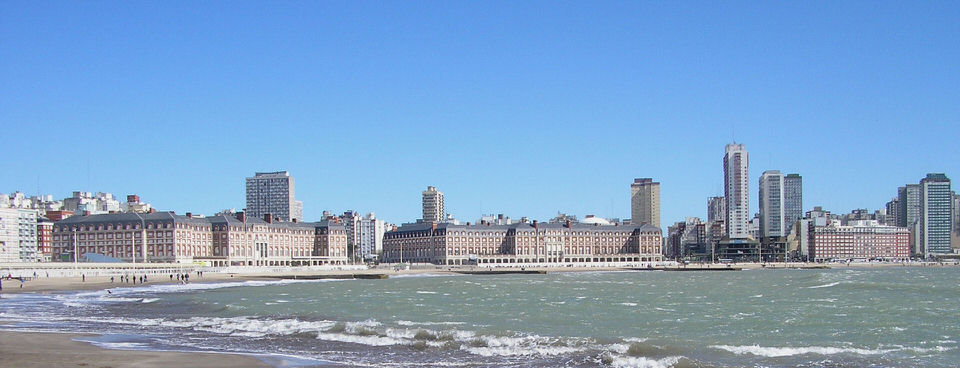
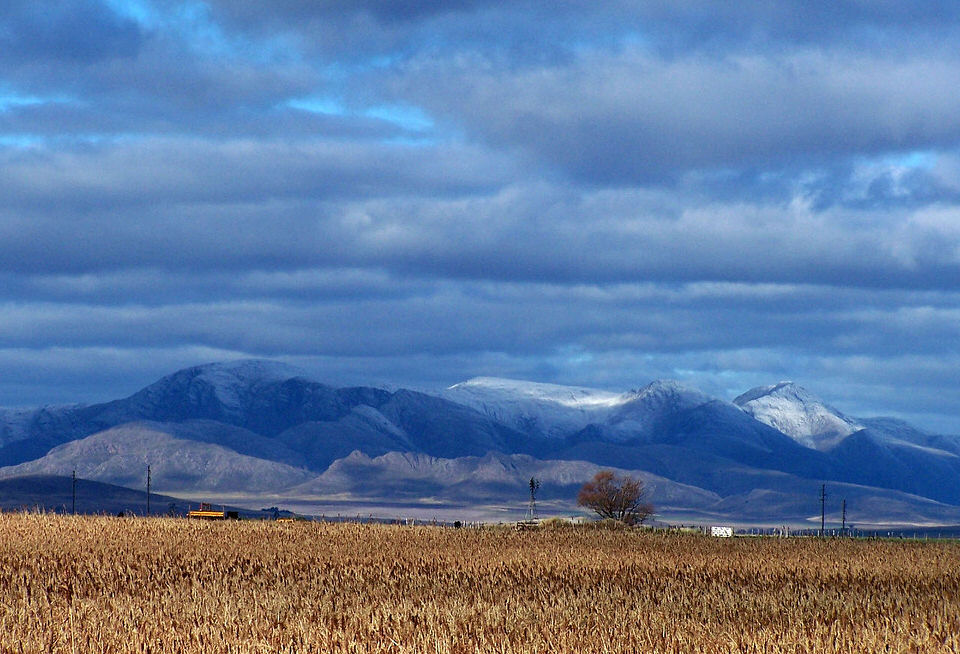
La Pampa, in the center of Argentina, is the largest and best known area of plains. It has a large amount of agriculture and livestock and includes the provinces of Buenos Aires, La Pampa, the south of Santa Fe and the southeast of Córdoba. Its landscape is broken to the south by the small mountains of Tandil and La Ventana and to the west by the Córdoba mountain ranges.
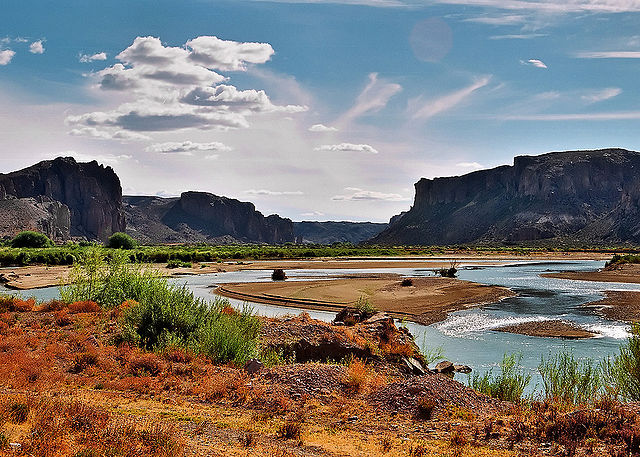
Towards the south, from the Andes to the sea, are the sterile and stony plateau of Patagonia, swept by the wind during most of the year. The Atlantic coast, lined with high cliffs, forms massive indentations like the Valdés Peninsula, with its spectacular and unique colonies of marine animals. Remember that in the southern hemisphere the seasons are the opposite to those in the northern hemisphere. In general, summer with mild temperatures and long days is the most ideal time to visit Patagonia and the Southern Andes. Winter time is recommended for traveling to the North and Northwest as the rains are less frequent and the tropical temperatures drop a few degrees. Autumn and Spring are marvelous in Buenos Aires, Cuyo and the pre-mountain range areas of La Rioja and Catamarca.
The natural areas have many to explore. While you are walking you can take a refreshing dip in the numerous pools and cataracts which are dotted about the area. Rafting can be done on most of the rivers and one can quietly row on the Pilcomayo and in the Iberá Marshlands. Nearby you can stay in haciendas (ranches) such as those of San Gará, Atalaya and San Juan Poriahú from where you can make excursions on foot, by canoe or on horseback.
Eighteen kilometers from Puerto Iguazú we enter to the National Park of the same name where the famous cataracts are. The deep flowing waters of the river fall from a height of 70 meters through 275 falls over 2.7 Km. The frontier with Brazil goes through the Garganta del Diablo (Devil's Throat) where the falling water gives the illusion of magic rainbows. The National Park is full of the exotic subtropical vegetation which surrounds the falls and has 2.000 plant species - gigantic trees, ferns, lianas, orchids, - 400 bird species - parrots, colibríes, toucans - jaguars and yacarés (caimans).
The current population of Argentina is estimated to be some 37 million of which almost half live in the Federal Capital and the province of Buenos Aires. These figures give us a population density of 13.2 inhabitants per square kilometer.
95% of Argentineans are white and principally descendants of Italians and Spaniards. With the massive European immigration the white and Indian half castes became slowly diluted until today these people only amount to 4.5% of the population. The pure indigenous population, the Mapuches, Collas, Tobas, Matacos and Chiriguanos, amount to 0.5% of the population.
Spanish is the official language of the Argentine Republic. In Buenos Aires forms of lunfardo are used which is a city slang.
There is complete religious freedom in Argentina although the official religion is Roman Catholic. There are also other religions such as Protestant, Jewish, Moslem, Greek Orthodox, Russian Orthodox, etc.
|